
Return to Sport Protocol
The mind heals on
its own schedule.
A 12-month mental performance protocol for athletes recovering from ACL tears, Tommy John surgery, and other long-term injuries.

ACL recovery is one of the most common, and most mentally demanding, injuries in sport.
Nearly 200,000 ACL tears occur every year in the United States, with roughly 300,000 ACL reconstruction surgeries performed annually, a number that continues to climb, particularly among young athletes. ACL reconstructions in children and adolescents increased almost sixfold between 2004 and 2014, driven by year-round sport specialization and higher-intensity training at younger ages.
Everyone talks about the physical timeline. Nobody talks about the mental game.
In one study of ACL reconstruction patients, those with higher levels of fear were 13 times more likely to suffer a second ACL tear within two years of returning to sport than those who were less fearful. After ACL reconstruction, 45% of athletes did not return to competitive play and psychological readiness was cited as the primary barrier.
Read that again: nearly half of athletes who complete the physical recovery never make it back. Not because their knee isn't ready. Because their mind isn't.
ACL recovery isn't just a physical process. It never was. The mental game of returning to sport is one of the hardest things an athlete will face and it deserves the same focused attention as physical therapy.
That's exactly what this Return to Sport Protocol was built for.

An ACL tear doesn't just injure your knee. It injures your identity.
When sport is taken away, athletes lose more than game time. They lose a sense of who they are. The physical recovery gets all the attention but the mental game is equally demanding, and almost nobody talks about it.
This protocol was built around the real mental terrain of long-term recovery — the fear, the comparison, the low points between months 2 and 3, the 6-month lull when your body feels better but you still can't play.

What athletes actually face
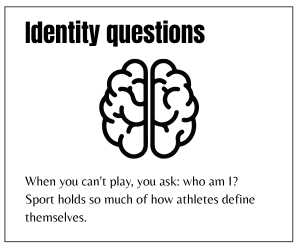
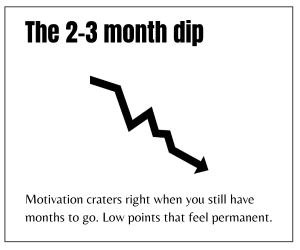
12 months. One session per month.
Built for the long game.

Each month maps to where you actually are in recovery, not a generic mental skills curriculum, but a protocol shaped by the real emotional arc of a long-term injury.
This protocol is for you if you’re an athlete coming back from…

Frequently Asked Questions
-
No. Sessions are conducted virtually, so athletes from anywhere can participate in the protocol.
-
You can start at any point. The protocol is most powerful when started early, but athletes who are 3, 6, or even 9 months in find significant value in joining and working through the remaining phases.
-
Not at all. This protocol addresses the mental side of recovery and works alongside your physical rehabilitation. We work with what's happening in your head. Your PT handles what's happening in your body.
-
Yes. We work with parents and coaches who want to provide mental performance support for their injured athlete. We'll get the right person in the right sessions.
You can come back stronger.
Not just physically.
The Return to Sport Protocol gives you the mental tools to make this the best thing that ever happened to your career.
Have questions? Contact us!
ScienceInsights. (2026, March 5). How common are ACL tears in sports and young athletes? https://scienceinsights.org/how-common-are-acl-tears-in-sports-and-young-athletes/
Christino, M. (2024, October 29). Not just a physical thing: The psychology of sports injuries and recovery. Boston Children's Hospital. https://answers.childrenshospital.org/psychology-sports-injury-recovery/
Everhart, J. S., Best, T. M., & Flanigan, D. C. (2022). Athlete mental health & psychological impact of sport injury. Clinics in Sports Medicine, 41(3). https://www.sciencedirect.com/science/article/abs/pii/S1060187222000107